By Peter, Khawton, Nico
Neural Link
Redesigning focus and belonging for international students with ADHD.
User Research
The Silent Struggle in the Ave
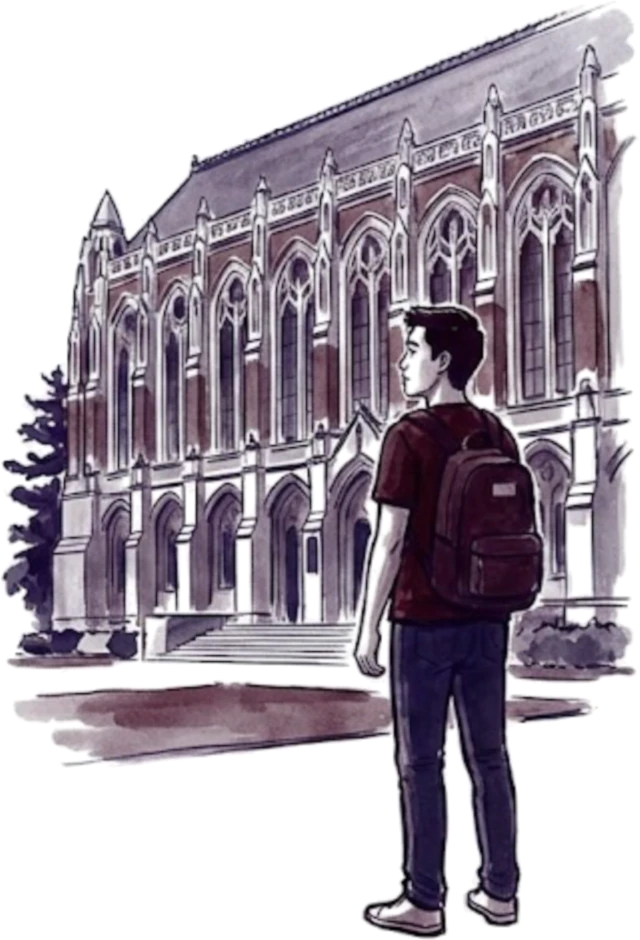
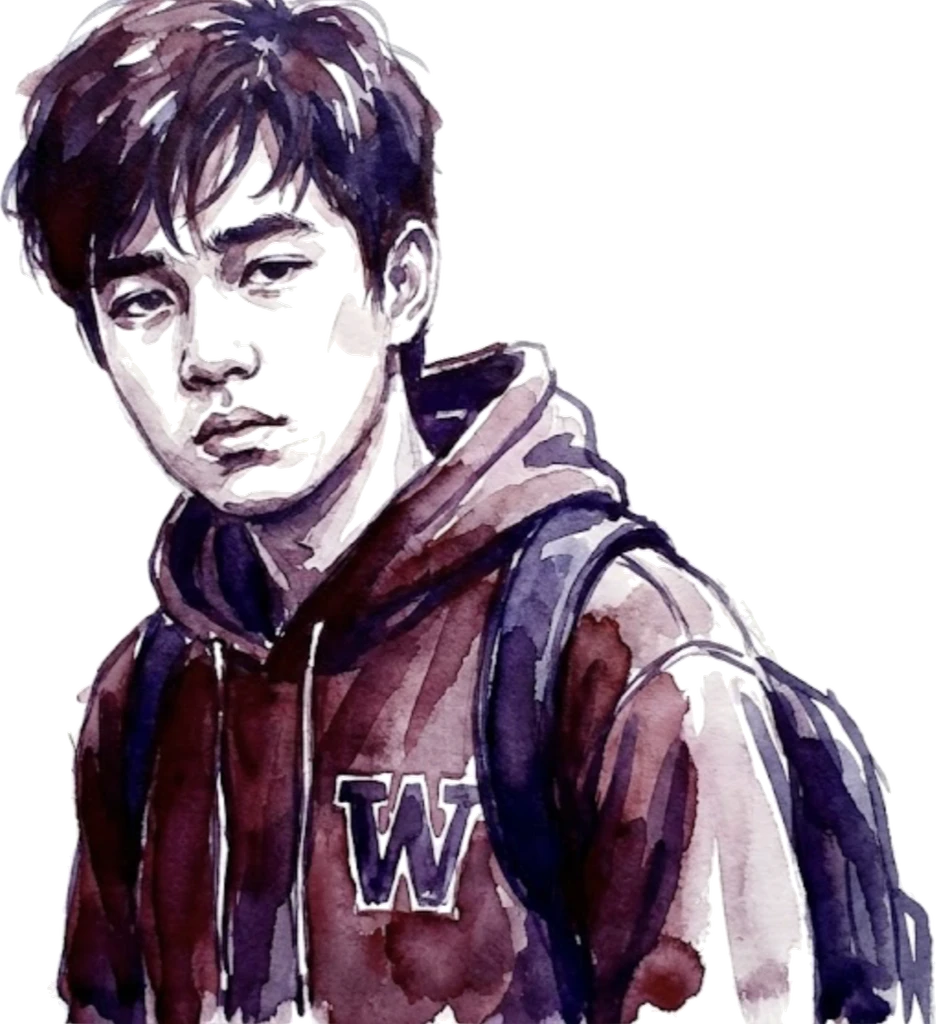
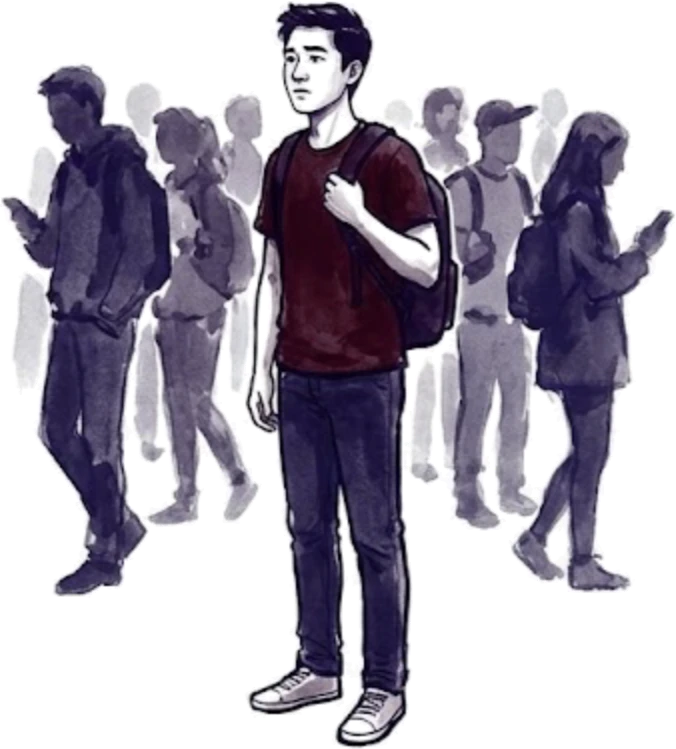
Meet Oliver. By day, he is the life of the Thai Student Association. He's social, creative, and always surrounded by friends on campus. To an outside observer, he is navigating the international student experience flawlessly.
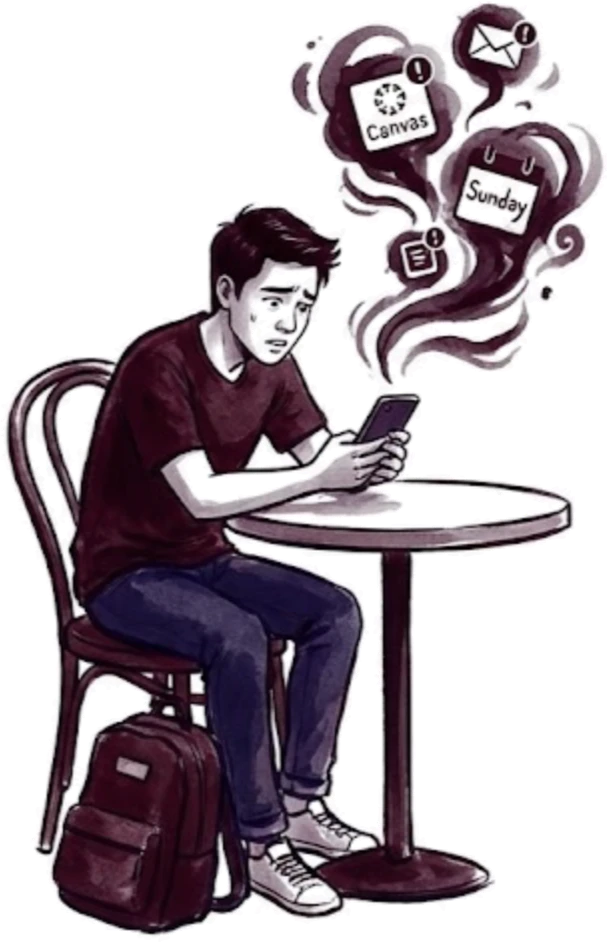
But at night, the narrative fractures. When the social noise fades and he returns to his dorm, the "ADHD freeze" sets in. His phone lights up with Canvas notifications. Three assignments are due by midnight. Instead of starting, he feels a paralyzing wave of overwhelm.
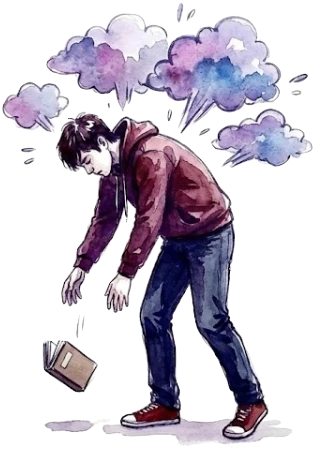
The traditional university advice is to visit the counseling center. But Oliver doesn't want clinical help. The idea of sitting in a sterile room explaining cultural nuances to a professional feels alienating.
He doesn't want to be "fixed." He wants a community that simply "gets it" without requiring him to translate his experience.
Oliver Isn't Alone: The Invisible Wall
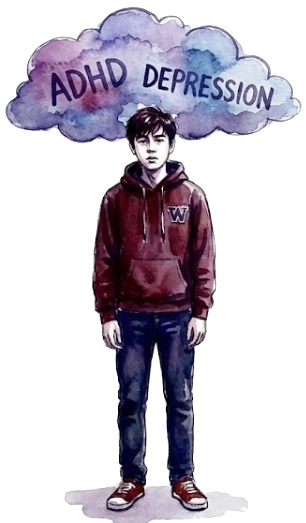
of college students navigate ADHD, while 44% manage depression symptoms.
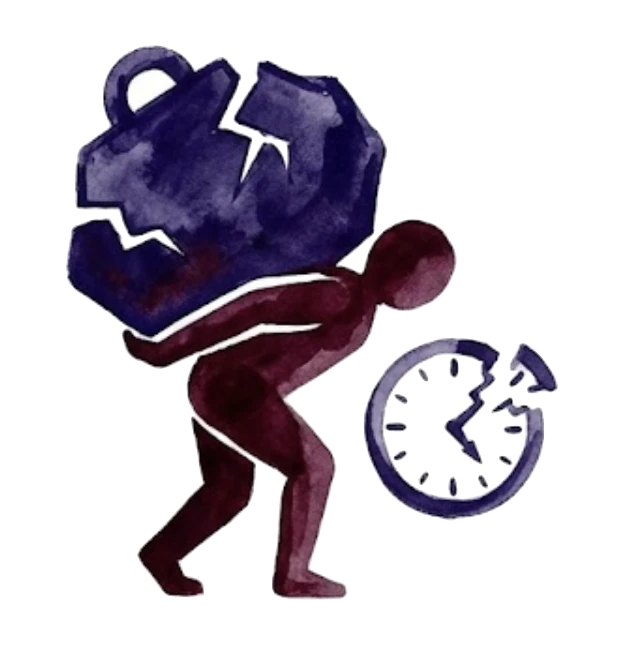
of students experience an overlap, where academic performance takes the hardest hit.

average drop in GPA points associated with a depression diagnosis.
"When depression scores go up,
GPAs go down."
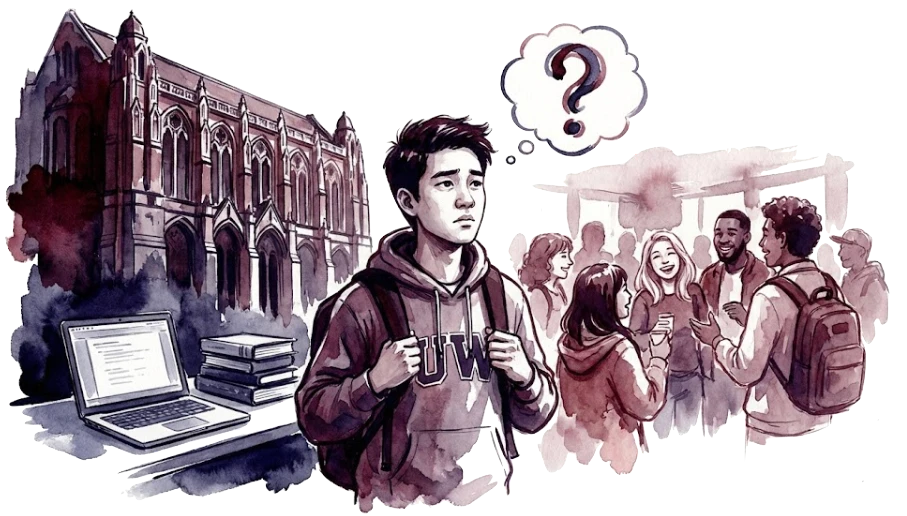
470+
International students at UW estimated to live with ADHD-level symptoms.
Bringing it Home to UW
"How might we design a way to help international students with ADHD at UW to build communities and focus on daily tasks?"
Research Process
At a Glance
Methods & Methodology
We employed a mixed-methods approach to understand the dual burden of academic pressure and cultural displacement. This included semi-structured interviews (3), follow-up user testing (2), expert critique sessions (1), an initial screening survey, user journey mapping, thematic analysis, and storyboarding.
Participants & Timeline
Over 20 weeks, we engaged with 8 international students primarily from East and Southeast Asia at the University of Washington. Participants were screened for high academic workloads and self-reported symptoms associated with ADHD, focusing on their specific daily friction points.
Key Milestones
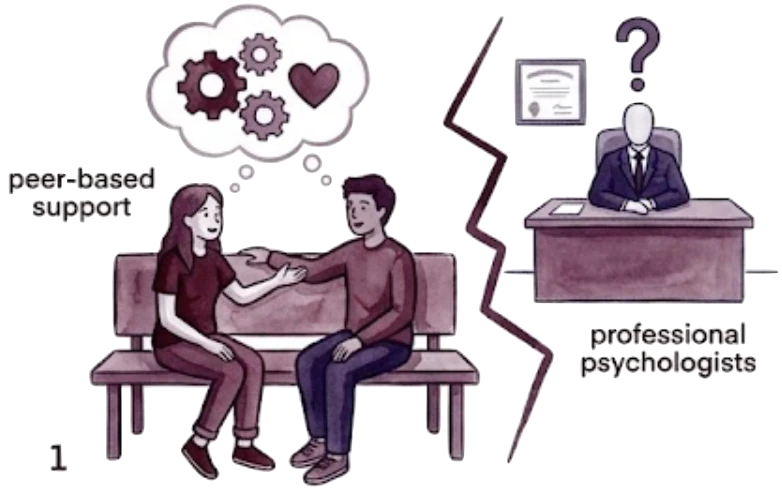
Identifying Help-Seeking Barriers
We discovered a crucial disconnect: international students heavily prefer peer-based support networks over professional, clinical psychologists due to fear of stigma and a desire for shared contextual understanding.
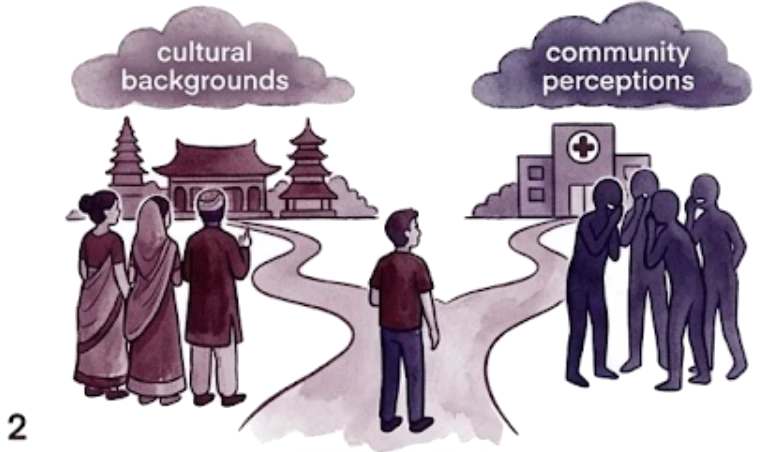
Mapping Perception Pain Points
Through thematic analysis, we mapped how diverse cultural backgrounds heavily influence decisions about utilizing university mental health services, often viewing them as a "last resort" rather than proactive maintenance.
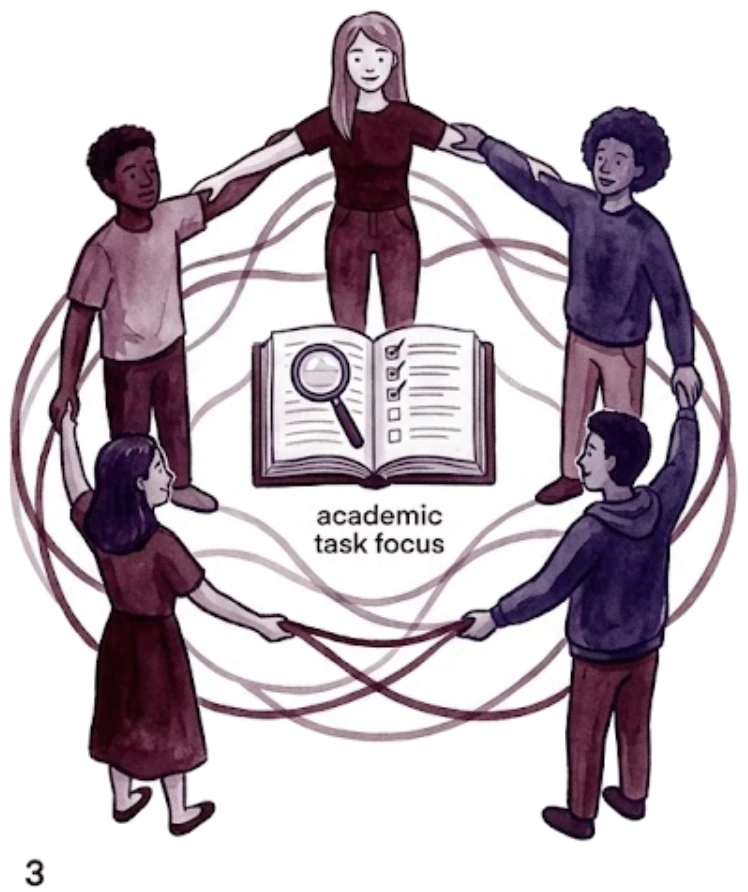
Synthesizing Trust Drivers
This pivotal moment shifted our entire design strategy: moving away from a clinical-focused tool toward a peer-led community model centered on mutual accountability and gamified focus.
Core Insights
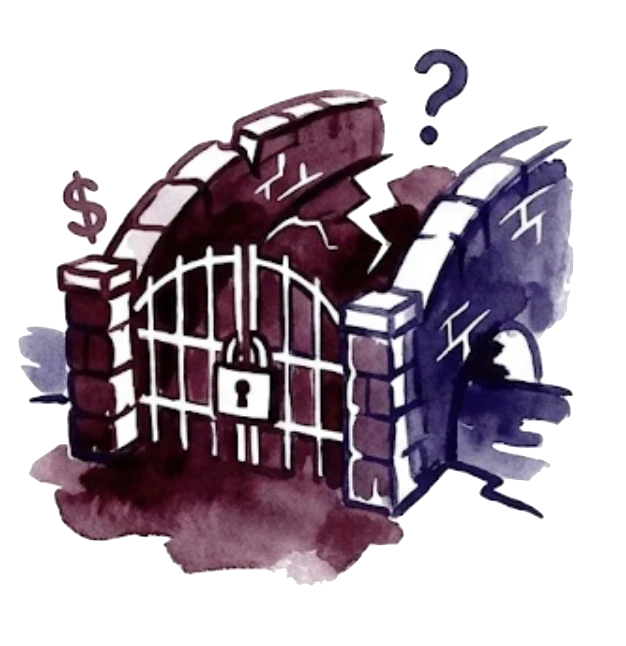
Systemic Distrust
Students actively avoid seeking official help due to perceived high costs, limited awareness of resources, and a deep-seated distrust of clinical counselors understanding their background.
Cultural Comfort
Comfort and psychological safety are predominantly found within informal peer-led communities and cultural student organizations, rather than official university channels.
The Academic Freeze
Chronic procrastination and sudden academic "freezes" are the most severe daily impacts, severely damaging academic performance and creating a cycle of guilt and avoidance.
UX Design & Iteration
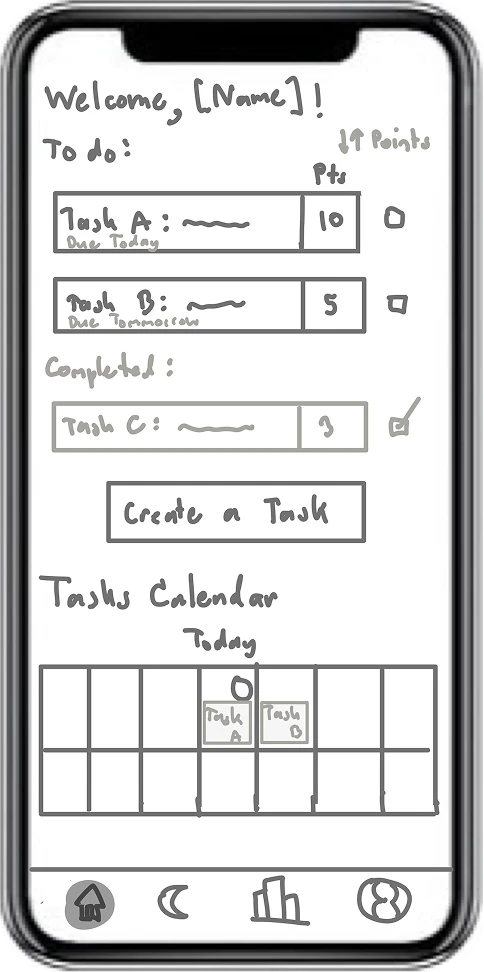
A. Low-Fidelity Prototype
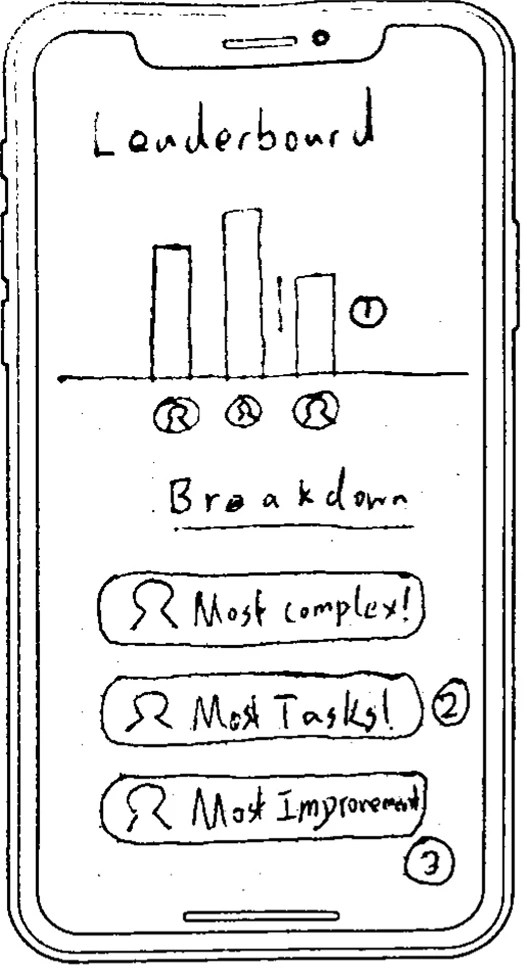
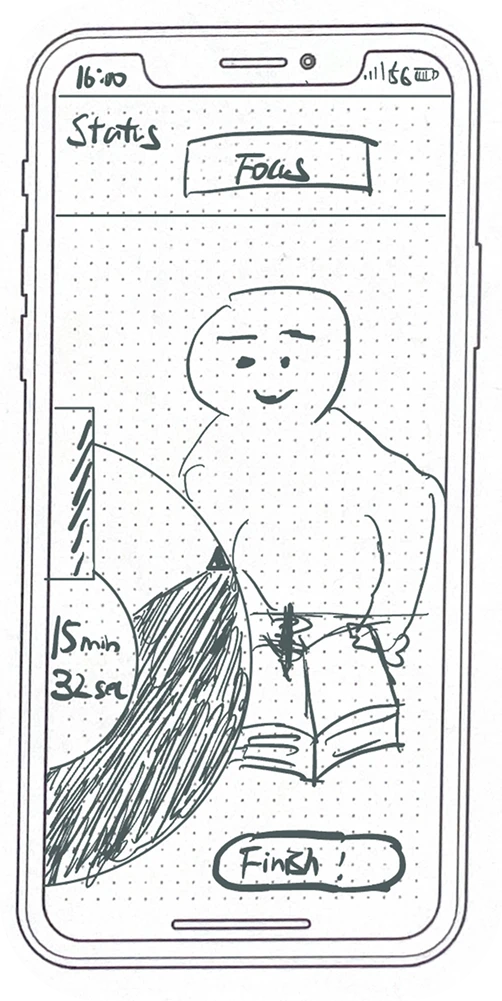
Explored basic gamified productivity flows including task management, leaderboards, and a core focus mode.
Result: Canvas integration deemed absolutely critical. Feedback: Camera tracking raised massive privacy concerns. Reaction: Leaderboards had mixed reception (competitive anxiety).
B. Mid-Fidelity Prototype
Applied initial design system logic. Shifted away from punitive camera tracking towards positive reinforcement.
Usability Issue: Inability to add non-Canvas tasks was highly frustrating. Success: Lock-screen focus feature was highly valued by testers. Insight: Direct competition was "stressful"; users strongly preferred collaborative modes.
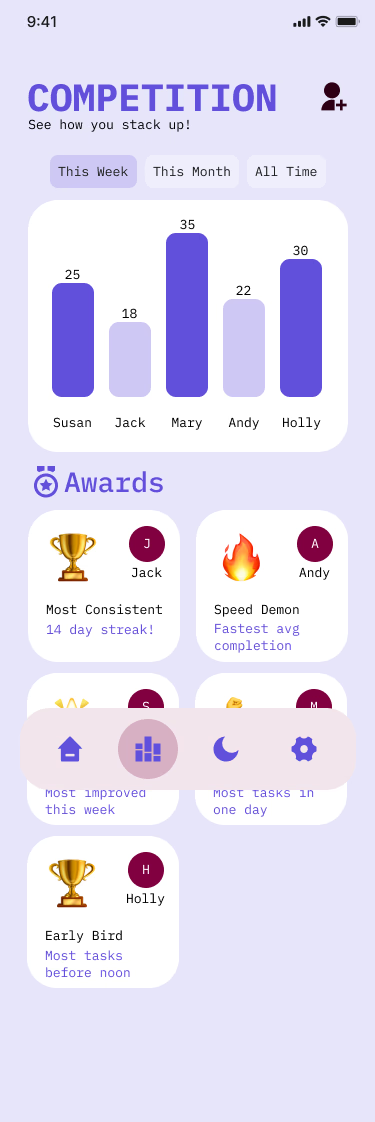
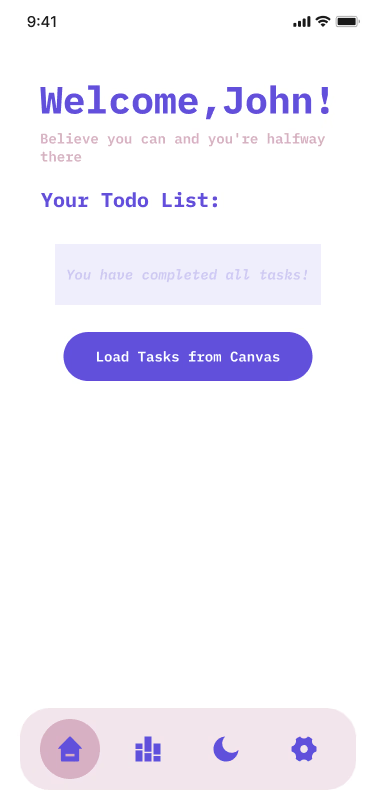
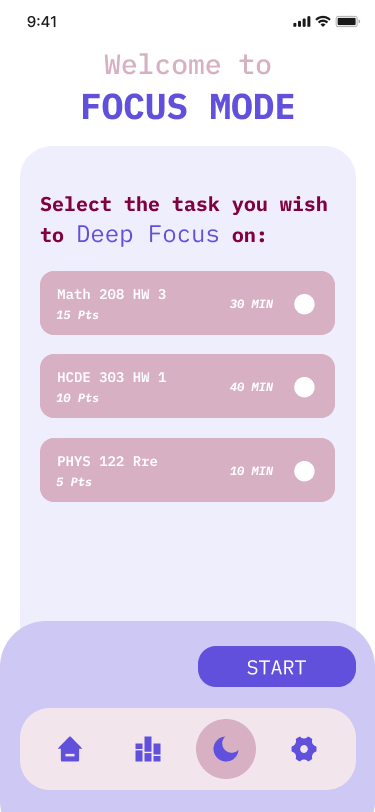
C. High-Fidelity App
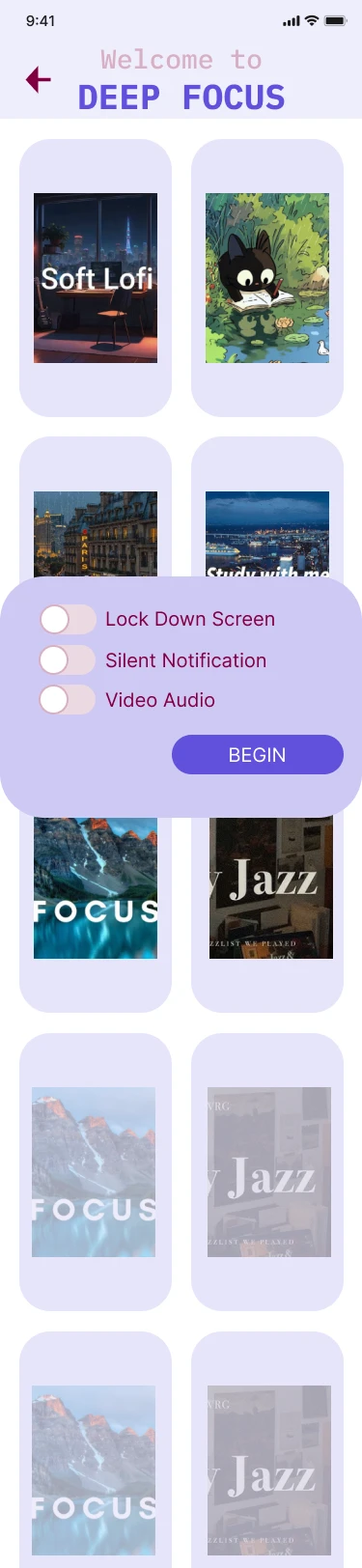
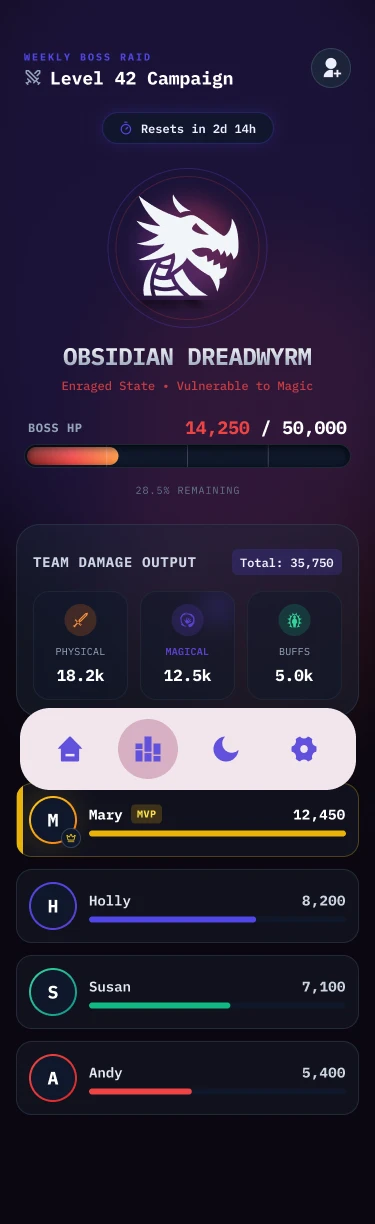
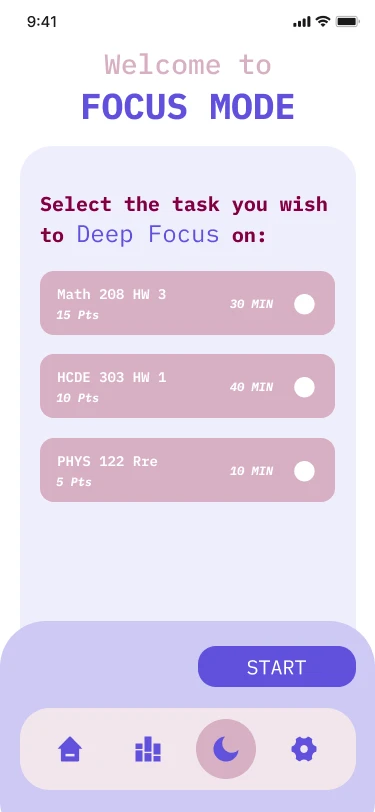
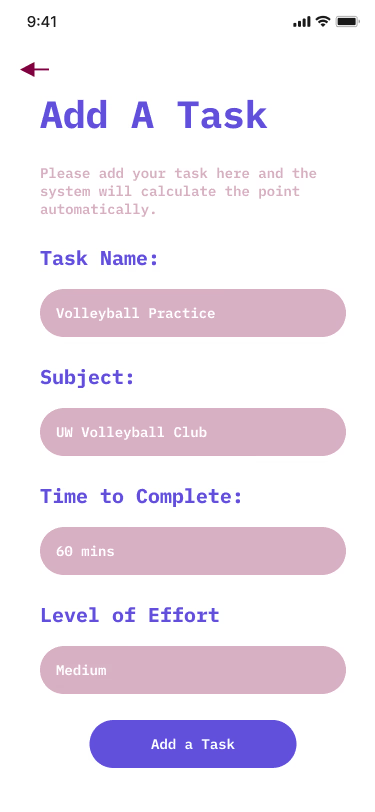
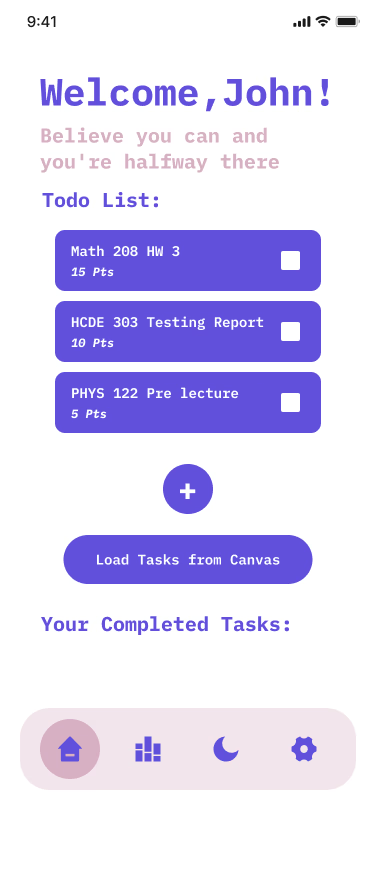
The final iteration balanced warm aesthetics with robust utility. Focused on peer accountability over clinical tracking.
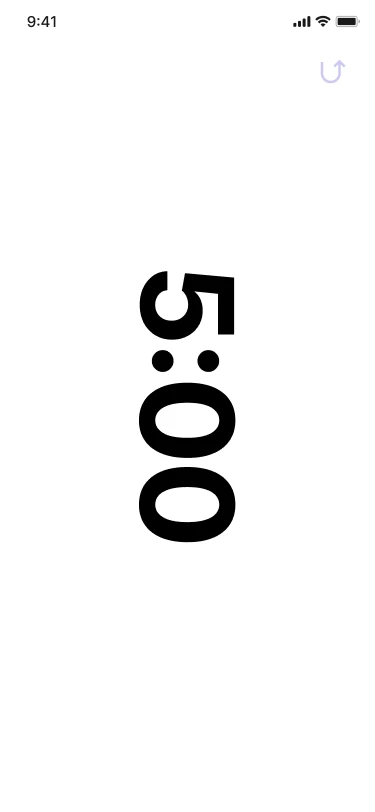
Change: Added manual "+" entry for personal, non-academic tasks (e.g., "do laundry"). Change: Timer automatically links to estimated task lengths. Feature: Collaborative "Boss" competitions where pods unlock real UW Ave restaurant coupons.
Challenges & Surprises
The Hardest Pivot
Our biggest challenge was receiving critical feedback on our mid-point video presentation tone. We initially leaned too heavily into a "clinical productivity" aesthetic. Re-aligning the visual and product tone to feel empathetic rather than punitive required a complete teardown of our UI components.
The Big Surprise
We hypothesized that anonymity would be paramount. Surprisingly, the qualitative data showed a strong preference for identifiable social support over anonymous professional counselors. Students didn't want to hide; they wanted to struggle together, visibly.
Next Steps
If we had more time, we would have planned usability tests further in advance to secure a larger pool of participants (N>15) for quantitative significance.
A second rigorous testing round is needed specifically on the manual "+" button flow and the redesigned icon labels, as these were last-minute high-fidelity changes.
Team Collaboration
Our team seamlessly split the workload into three specialized parts (Research, Interaction, Visuals) while maintaining a core of collaborative, synchronous brainstorming sessions twice a week.
An undergraduate student project from HCDE 302 & HCDE 303 at the University of Washington, Seattle. The team codename "Neural Link" is a humorous take and has no affiliation with Elon Musk's Neuralink brain interface device.